
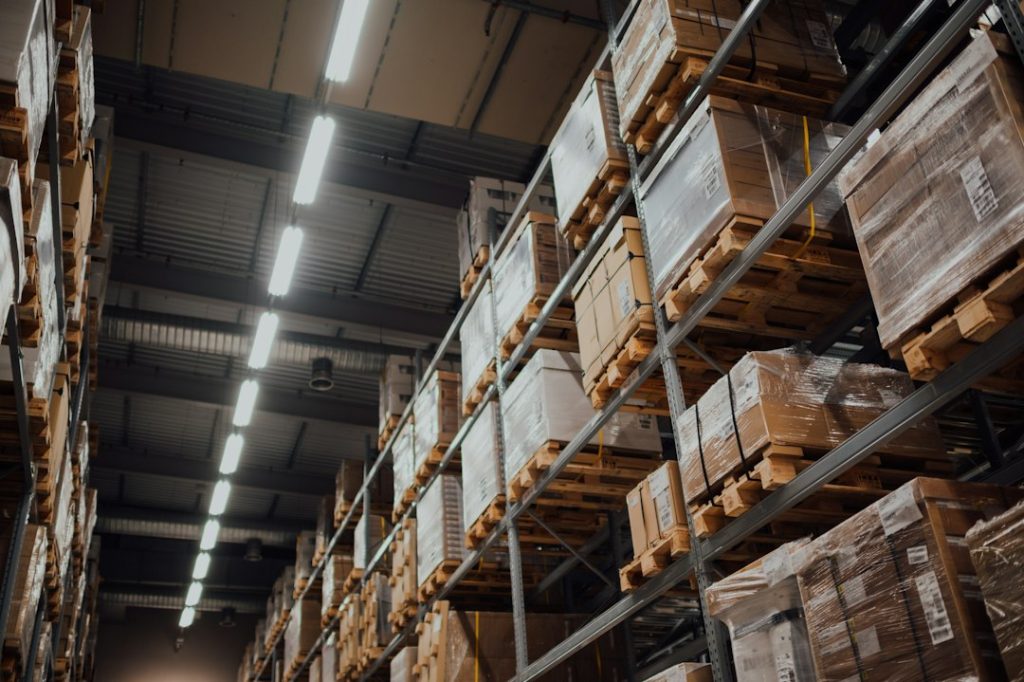
Moving goods into a warehouse should make your operations simpler, not create uncertainty about what is being stored or when it can leave. Whether you are managing business inventory, building materials or belongings between premises, preparing the consignment properly helps the warehouse receive, identify and release the goods. This checklist is written for customers arranging storage and transport around Johannesburg.
Start with a clear inventory
Before anything is loaded, prepare a list of the items and their quantities. Group similar goods together and record the approximate number of boxes, pallets, pieces of furniture or other units. For bulky equipment, include dimensions and estimated weight. Record the condition of high-value or fragile items with photographs before packing.
An inventory also helps you explain the storage volume you need. “Twenty boxes and two desks” is more useful to a warehouse than “a small load”. If deliveries will arrive in stages, give each consignment a separate reference so it can be identified later.
Package goods for handling and storage
Use suitable cartons, wrapping or protective material for the weight and sensitivity of the items. Heavy objects should be in packaging that can carry their weight without failing at the base. Protect corners on furniture and keep small parts with the item they belong to. Fragile equipment may require additional cushioning or a specific handling plan.
Check whether the warehouse accepts your type of goods and whether any special conditions apply. Do not assume that ordinary warehouse space is suitable for food, chemicals, temperature-sensitive stock or hazardous materials. Discuss unusual goods before delivery.
Label everything so it can be found again
Mark packages with a reference number, a short contents description and a box or pallet count such as “3 of 12”. Make the labels legible and secure. If different departments, customers or destination branches are involved, separate those groups clearly. Keep sensitive personal information off the outside of packaging where it is not necessary.
Keep an electronic or printed copy of the inventory yourself. If you need only part of the load released later, identify which items should be easiest to access. A useful labeling system is one that works for both the person delivering the goods and the person collecting them.
Plan receiving and collection before the truck arrives
Confirm the receiving location, contact person, preferred arrival window and unloading arrangements. Send the quantity or pallet count in advance and explain if the vehicle is unusually large or needs loading equipment. Do the same for collection: who can authorize release, how much notice is required and where the goods are going next?
If onward delivery is across a border, keep transport and customs paperwork planning separate from the storage booking. Requirements will depend on the destination, goods and parties involved.
Ask the right questions when requesting a storage quote
Confirm how charges are calculated, what counts as a storage period and whether handling, receiving, collection, transport or other services are included. Ask about the practical access arrangements and whether space is available for the dates you need. Never assume that every warehouse offers the same security measures, opening hours or stock-management processes.
Team Zhu Logistics can discuss warehousing and storage in Pomona, Johannesburg, including potential connections to local deliveries and cross-border transport. Share your approximate volume, goods type, storage dates and collection requirements to help the team assess your enquiry.
Related guides and services
- How to choose warehousing in Pomona
- Warehousing and storage service
- Request a storage or transport quote
Request a quote: Need help with this type of job? Contact Team Zhu Logistics with your collection location, delivery location where relevant, item details and preferred date. Service availability and requirements are confirmed for each enquiry.